
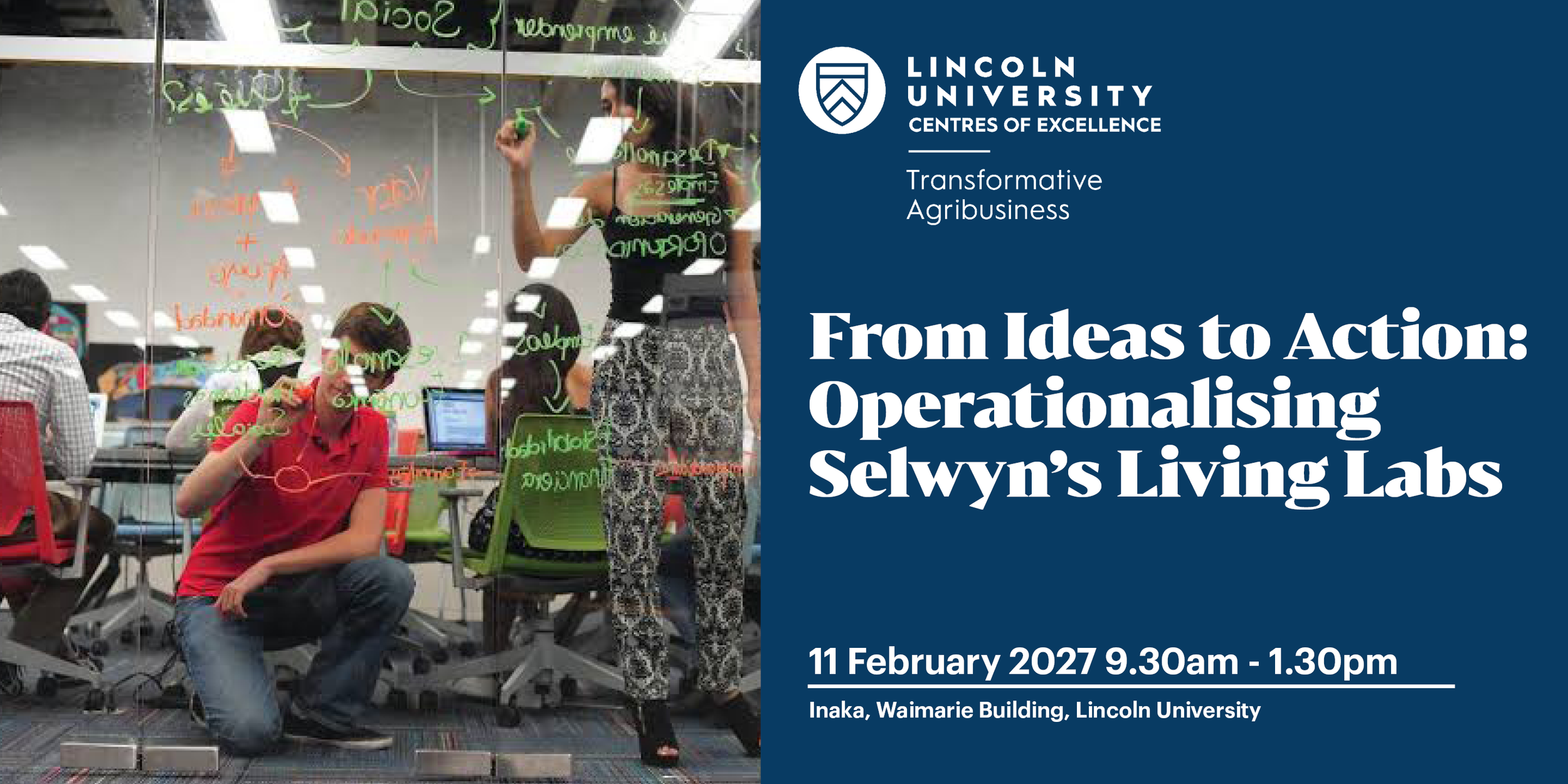
Over the past 18 months, Lincoln University, in partnership with Selwyn District Council and a growing network of industry, community and government stakeholders, has hosted a series of workshops and symposiums exploring how innovation can support the future of New Zealand's food, fibre and bioeconomy sectors.
The most recent workshop hosted in August, From Ideas to Impact: Building New Zealand's First District-Wide Living Lab, brought together researchers, industry leaders, government agencies, producers and community representatives to explore how a Living Lab approach could accelerate innovation across the region. Through a collaborative workshop, participants identified a series of potential Living Labs and highlighted the required partnerships, strengths and resources and next steps to bring them to life.
Since then, momentum has continued to grow. With EU-funds available now through the CASI-BIO project which looks at ‘Sustainable Innovation for the Bioeconomy‘, Lincoln University will begin operationalising several of these opportunities and move from concept development towards implementation of the Living Lab.
This workshop marks the next stage of the journey!
Together, we will revisit the outcomes from the August 2026 workshop, validate priorities and stakeholder networks, identify the key barriers preventing progress and begin developing practical pathways for implementation. The session will also provide an opportunity to hear from leaders across research, industry and government who are actively involved in collaborative innovation and place-based development.
The action identified by all participants for the implementation of the Living Lab iniatives was the need to bring together the right people together to develop a shared vision. This workshop responds directly to that call!
Whether you participated in earlier events or are joining the conversation for the first time, your insights and experience are important to us! You have been identified as someone who can help shape the future direction of these Living Lab initiatives and we warmly invite you to be part of this next phase.
Join us as we move from ideas to action and begin building the partnerships, projects and pathways that will help realise the potential of Selwyn's Living Labs.
Thursday 11 February
9.30am - 1.30pm
Inaka, Waimarie Building, Lincoln University
Programme
9.30am - 9.45am - Registration & Networking
Networking on arrival.
9.45am - 10.00am - Welcome & Reflections
Professor Alan Renwick, Lincoln University
Alan will reflect on the journey to date, summarise the outcomes of previous workshops and outline how CASIBIO funding is enabling the next phase of Living Lab development across Selwyn.
10.00am - Setting the Context: Why Living Labs Matter
Keynote Speaker TBC
Exploring the role of Living Labs in accelerating innovation, building partnerships and translating research into real-world impact. This presentation will highlight emerging international and New Zealand examples and discuss the conditions required for successful collaborative innovation.
10.20am - Connecting Science, Industry and Place
Keynote Speaker TBC
A perspective on how collaborative innovation ecosystems can support the transition towards more resilient, productive and sustainable food and fibre systems and the role Living Labs can play in enabling that transition.
10.40am - Government Perspectives
Keynote Speaker TBC
An overview of current priorities, opportunities and funding mechanisms supporting innovation and sustainability across New Zealand's primary sectors and how regional initiatives can align with national objectives.
11.00am - Industry Case Study
Keynote Speaker TBC
A practical example of industry-led innovation, exploring how collaboration, market insight, research partnerships and commercial capability can help transform high-value natural products into successful market opportunities.
11.20am - Morning Tea
11.40am - Workshop: Operationalising Selwyn's Living Labs
Facilitated workshop session.
Building on the outcomes of the August workshop, participants will work together to further develop the priority Living Lab opportunities and begin defining the actions required to move them forward.
Session 1: Revisiting the Opportunities
Participants will review the proposed Living Lab themes and discuss:
Which opportunities should be prioritised?
Have any new opportunities emerged?
What has changed since August?
Where is there strongest momentum?
Session 2: Stakeholders & Partnerships
Participants will identify:
Key organisations and individuals needed to succeed
Existing partnerships that can be leveraged
Missing voices that need to be involved
Opportunities for collaboration across Living Labs
Session 3: Barriers & Enablers
Working groups will explore:
Critical capability gaps
Funding requirements
Infrastructure needs
Research and data requirements
Regulatory or policy considerations
Adoption and market barriers
Session 4: From Concept to Action
Each group will develop:
Immediate next steps
Potential project champions
Priority actions for the next 6-12 months
Opportunities for CASIBIO-supported activity
Measures of success
1.15pm - Closing Reflections & Next Steps
Professor Alan Renwick, Lincoln University
Summary of workshop outcomes, next steps for Living Lab development and opportunities for ongoing involvement.
About Our Speakers
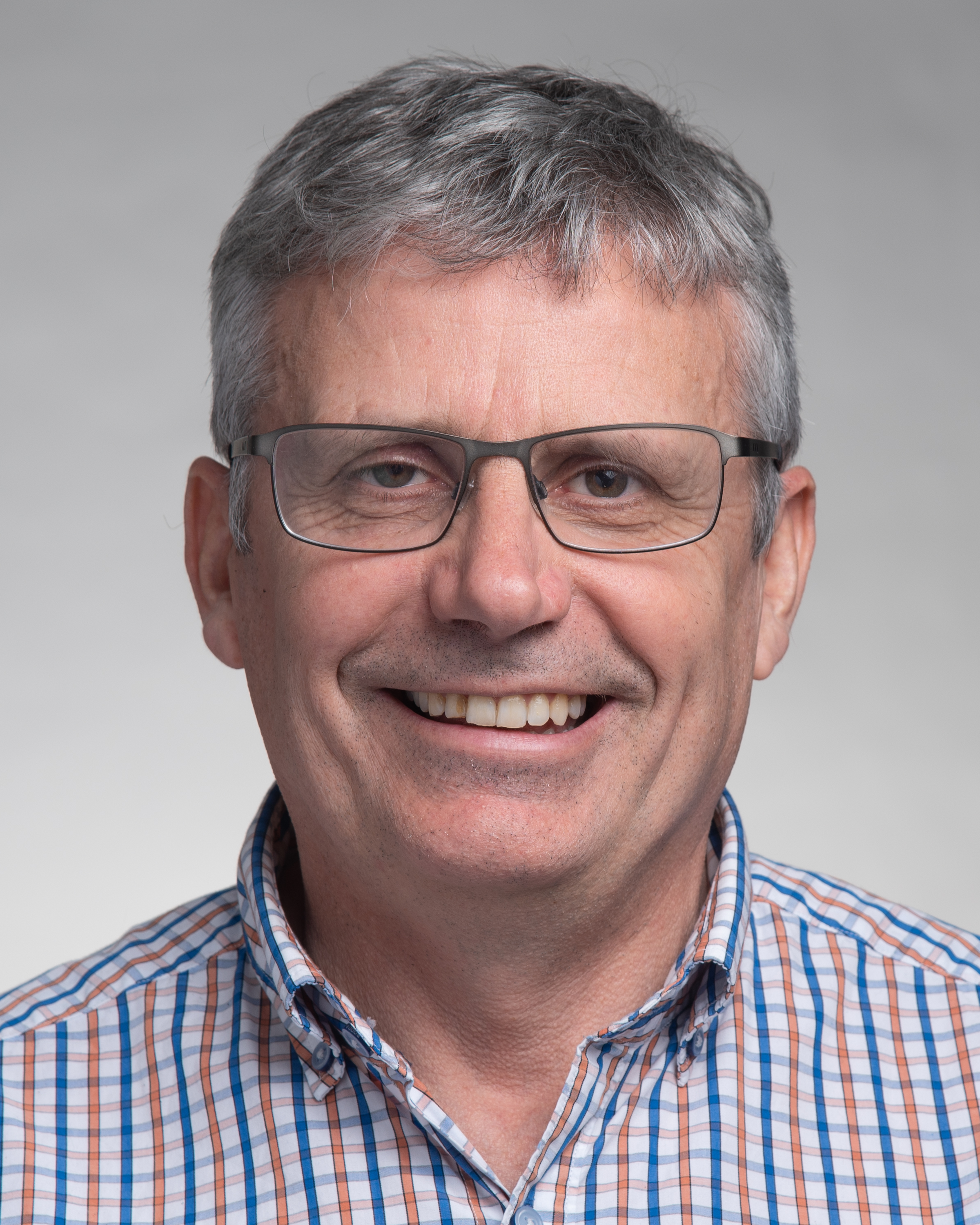
Prof. Alan Renwick | Lincoln University
My work focuses on agricultural and trade policy analysis, innovation in agrifood systems and analysis of agrifood value chains, all areas of fundamental importance to the functioning of the agrifood sector. Much of my career has involved applying economic analysis to assess the efficiency, effectiveness and equity of the EU Common Agricultural Policy (CAP), but more recently I have been focusing on the economics of existing and novel land-uses in New Zealand and technology adoption more generally. I am interested in quantifying the impact of innovation on the performance of either the agrifood system as a whole or of particular sectors within the industry. Linked to this is my research on the operation of value chains in developed and developing countries and the links with food security, which also provides useful information for policy makers. Many of my projects involve collaboration with researchers from other areas including agriculture, ecology, computer science and social science.